Past Models
Explore
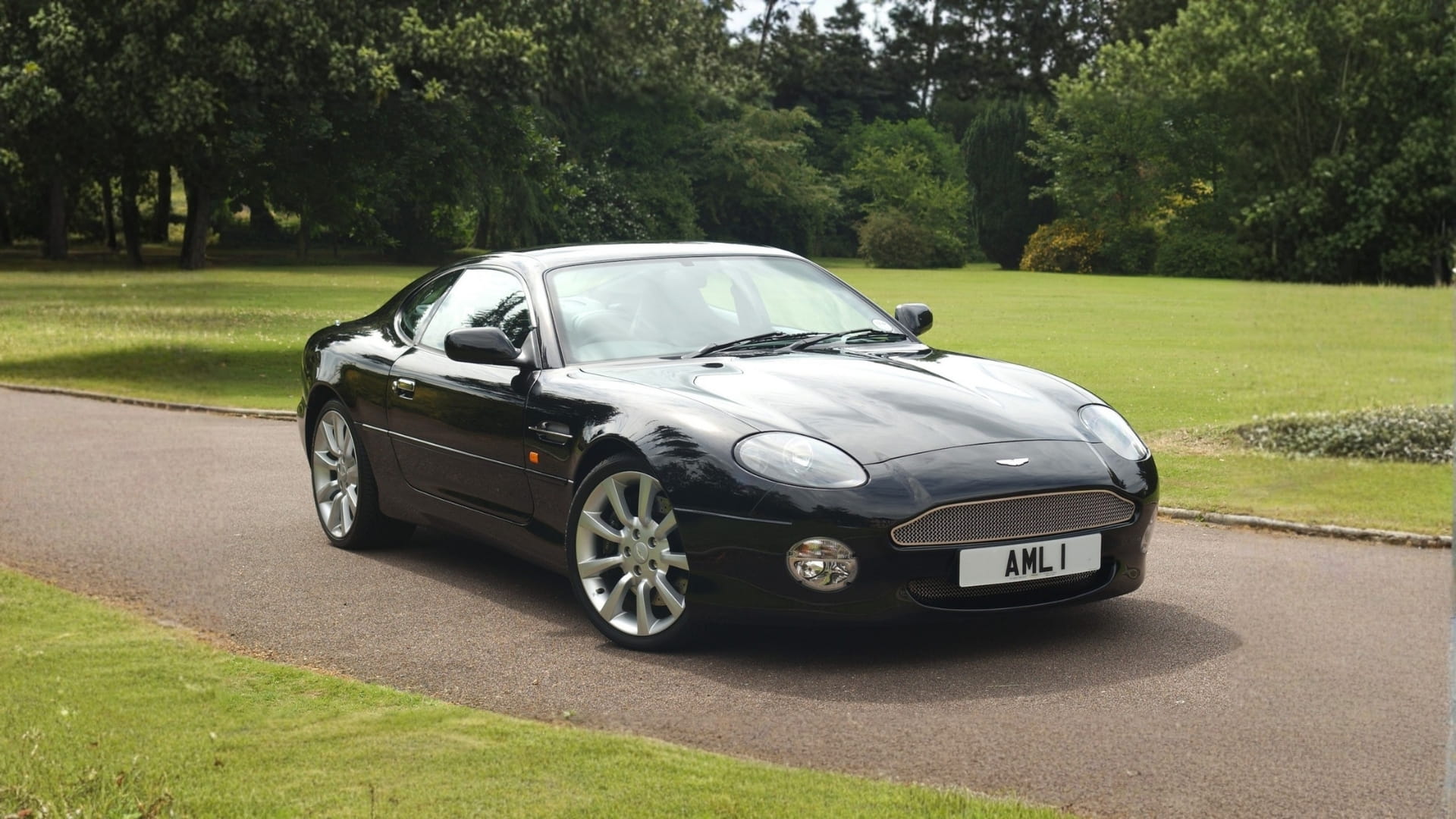
By the early 1990s it was obvious Aston Martin would need to increase production in order to survive. Victor Gauntlett suggested that a new, smaller Aston Martin should be built alongside the big V8 Astons, a car that could be sold in all markets and that would be less expensive. The advent of the Ford Motor Company and the appointment of the late Walter Hayes as Chief Executive of Aston Martin not only provided new funding, but brought with it access to some of the best vehicle engineering facilities in the world.
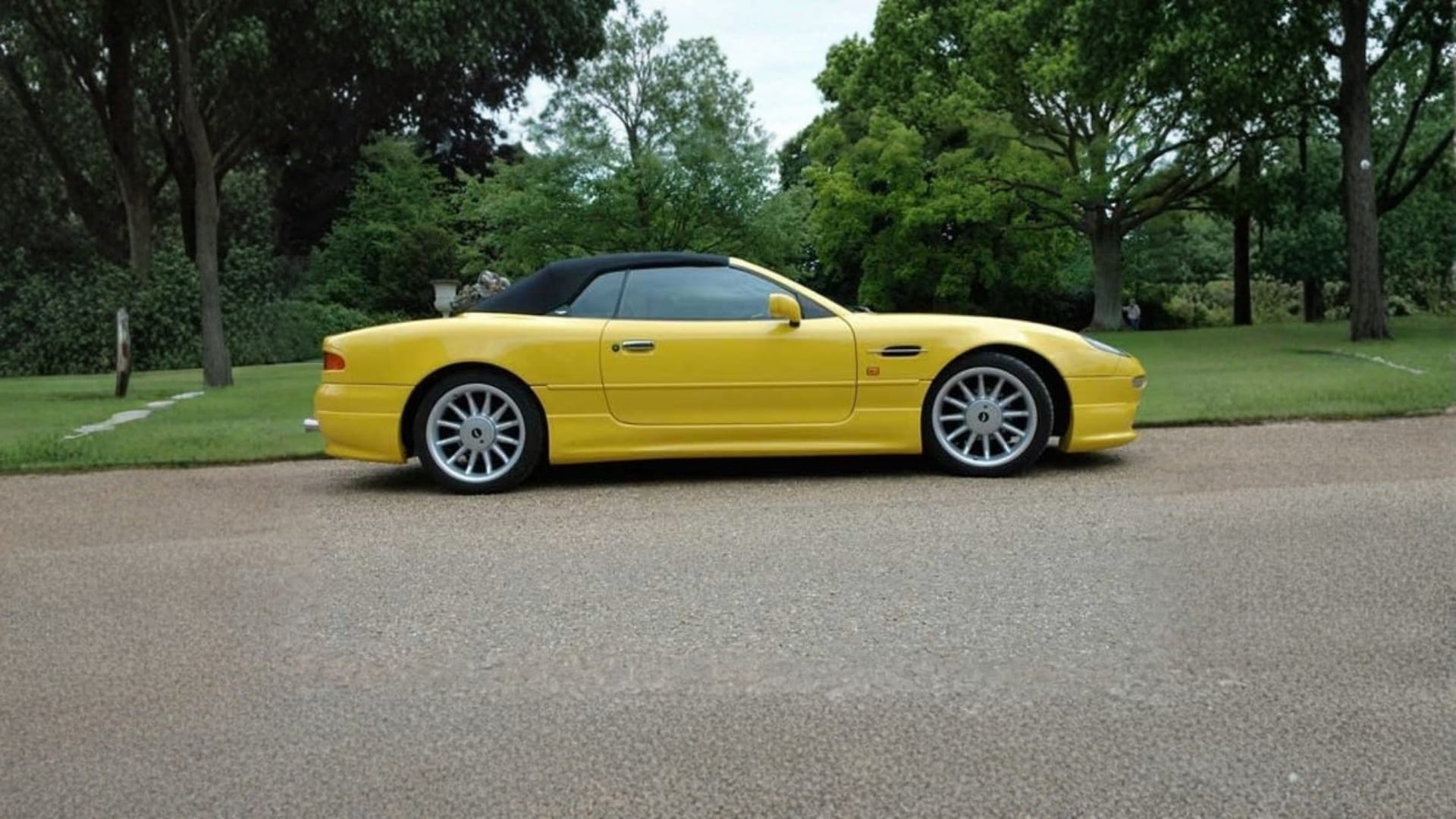
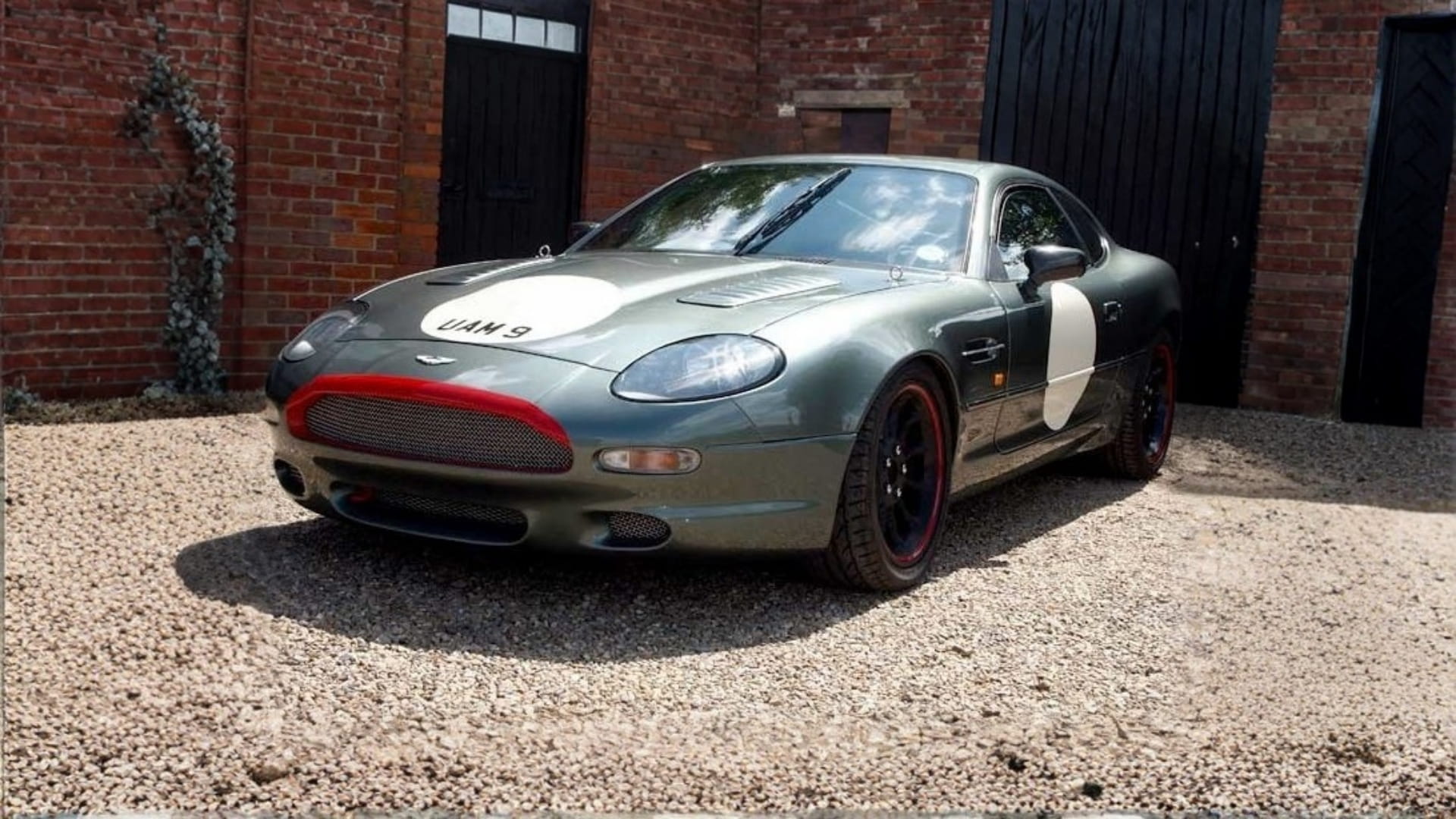
Click through to view more
The new design, code named NPX, was styled by Ian Callum and engineered in conjunction with Tom Walkinshaws TWR group. Aston Martin revealed the DB7 at the Geneva Motorshow in 1993, with production starting in 1994 at a new factory in Bloxham, near Banbury in Oxfordshire.
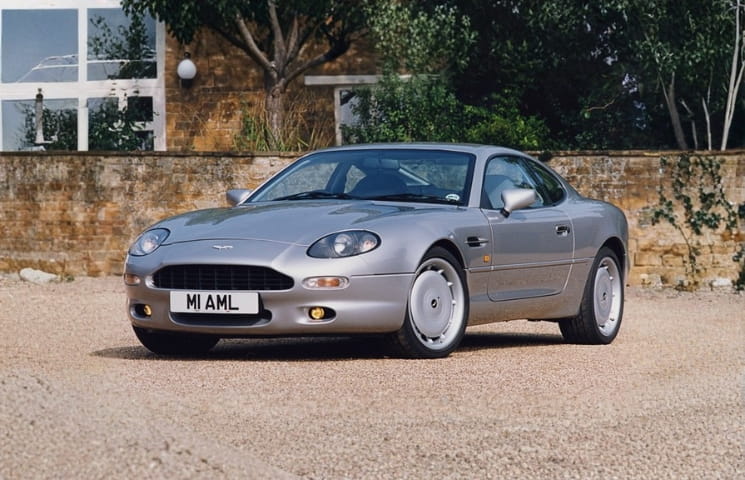
The new TWR built engine was a light alloy, twin overhead camshaft, supercharged straight six of 3,228cc. Featuring 32 valves, Zytec electronic multi-point fuel injection and a water cooled Eaton, 'Rootes' type, supercharger which was driven by a toothed belt from the camshaft. Although it didn’t appear for almost 3 years after DB7’s unveiling, Aston Martin had every intention of creating a convertible version. In 1996, the Volante made its debut at the Los Angeles and Detroit motor show and the two models sold alongside each other until being replaced by DB7 Vantage in 1999.